Education
What are the education requirements for my dream job?
Culinary Arts
Academic Credentials: A high school diploma or GED is the standard requirement for most programs.
Age Requirement: Applicants often must be at least 16-18 years old.
Application Process: This often includes a completed application form, application fees (typically $25 – $50), and a personal statement.
Experience: While not always mandatory, some work experience in the food industry is often preferred or required, particularly for advanced or competitive programs.
Documentation: A resume and a copy of a passport (for international students) are usually required.
Essential Personal Skills: genuine love for food and innovation. a high-energy, patient attitude is necessary for long periods of standing. Must be a team player, as culinary work requires intensive collaboration.
Web design
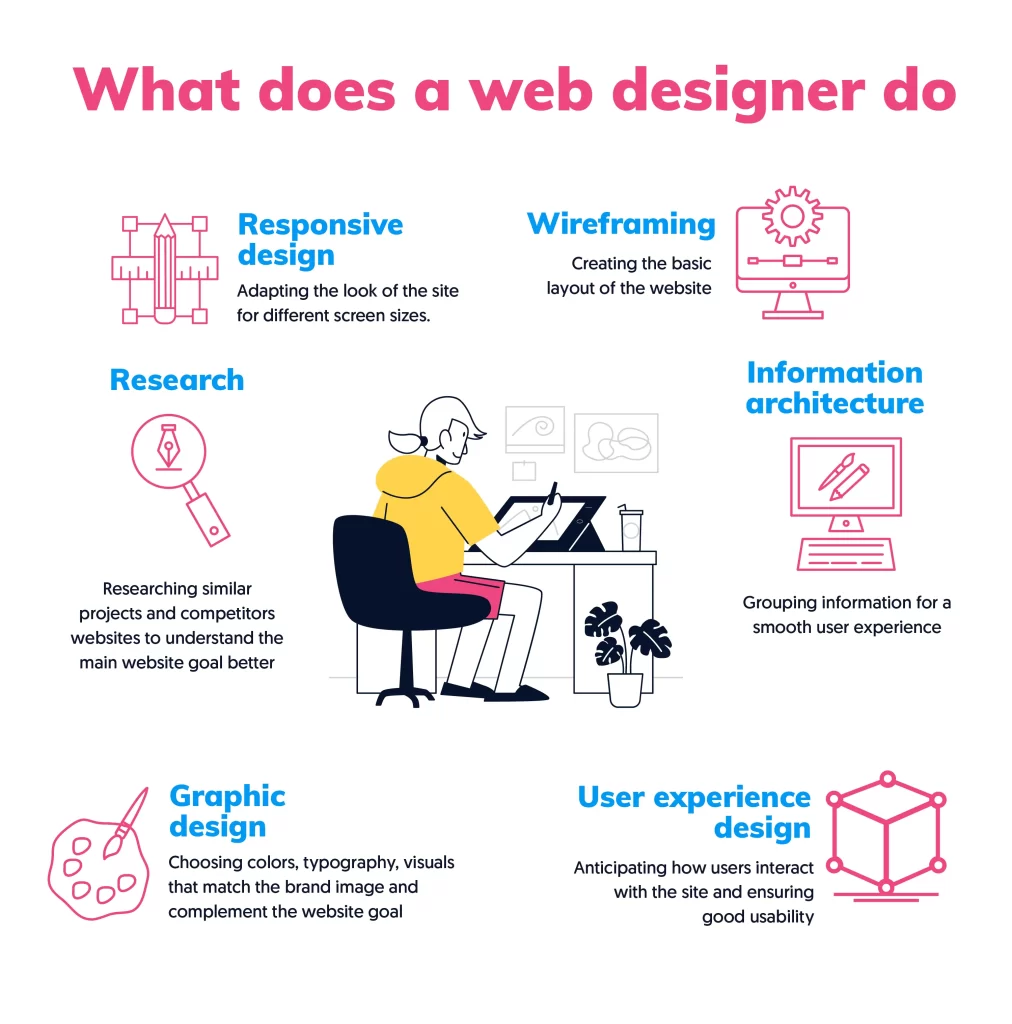
Web design education requirements are flexible, ranging from self-taught portfolios to bachelor’s degrees in web design, graphic arts, or computer science.
Technical Skills: Proficiency in HTML5, CSS3, and JavaScript is essential.
Design Fundamentals: Understanding typography, color theory, layout, and user experience (UX) principles.
Tools & Software: Mastery of design tools such as Adobe Creative Cloud (Photoshop, Illustrator, XD), Figma, or Sketch.
Essential Portfolio: A strong portfolio demonstrating web projects is often more critical than formal education.
Most programs focus on a mix of visual design and technical implementation, including responsive design, mobile optimization, accessibility standards, and web development basics.

The University paths way that will take me to My Dream Job
Culinary Arts:
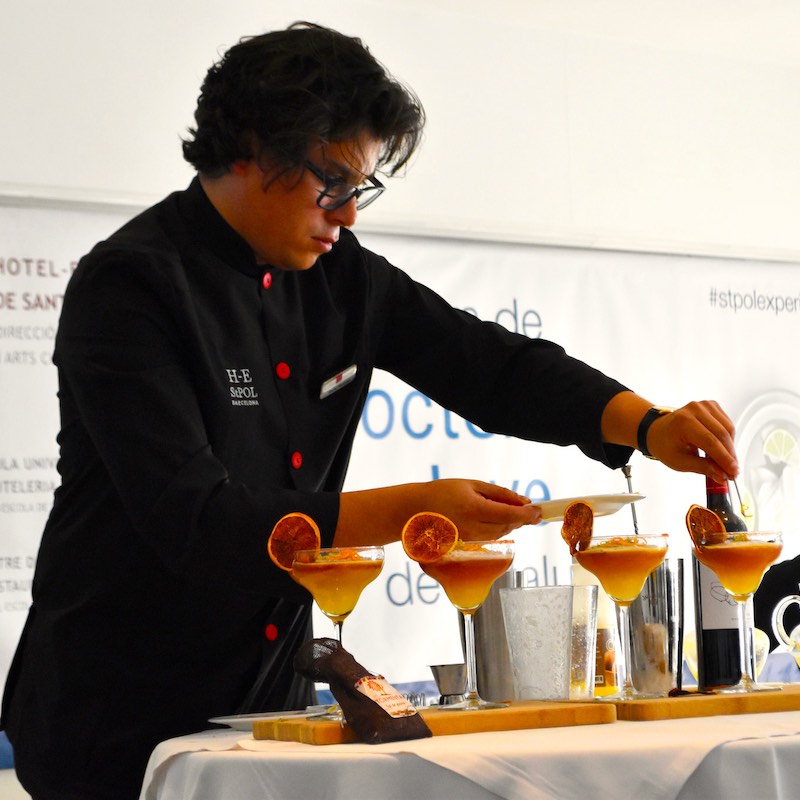
The StPOL University college of Barcelona is a top-tier hospitality school specializing in culinary arts education. It includes a bachelor’s degree concentration, a Master in Culinary Arts and Kitchen Management and a technical degree in gastronomy. This university is located in Spain. Culinary arts will be the first job I will complete.
Web Design:
The CEI: Centro de Estudios de Innovacion is a specialized, well-regarded vocational training school in Spain focused on digital design, creative technologies, marketing, and web development. This school offers specialized programs in web design and development. They provide comprehensive Master’s degrees and intensive courses in this field. CEI has courses in web design with HTML5, CSS3,JavaScript, WordPress, and full stack web development courses. This will be the second job I wil take.
A Journey to MY Dream Jobs
Culinary Arts:
The primary starting positions in the culinary industry are commis chef(junior/apprentice chef), line cook, or prep cook. These roles focus on fundamental knife skills, food safety, and station preparation, often beginning in the grade manager (cold kitchen) or assistance to senior chefs. These positions are crucial for building the speed, consistency, and teamwork necessary to advance to higher roles, such as a Station Chef (Chef de Partie) or Sous Chef.
The salary for the median hourly wage for cooks is approximately $17.19, with entry-level positions often ranging from $14.00 to over $18.00 depending on location. The annual salary for entry-level cooks often falls between $28,00 and $37,500. In some states like Florida the entry-level wages are lower , where they start closer to $13-$14 an hour.
To get to my dream job involves gaining practical kitchen experience, obtaining foundational education, and applying to specialized culinary schools or community college programs.
Here’s a list of things to achieve a Culinary Arts major:
- Build Foundational Experience: start from working at a restaurant, practice at home, and study the industry
- Pursue Formal Education (The Major): Choose between certificate programs, associate degrees, or bachelor’s degrees at schools or local community colleges. Ensure you have a high school diploma or GED and need to study the curriculums .
- Develop Professional Skills: Join professional organizations and attend food industry events. Go to externships or internships and identify specialized areas like specific international cuisines.
Web Design:
The starting position for a career in web design is most commonly a Junior Web Designer. This entry-level role focuses on user interface and user experience. They focus on the visual implementation of the site using HTML, CSS, and Javascript. Last but not least, they also focus on graphic design.
The average median starting salary for a junior web designer is around $71,000 – $72,821 annually for entry-level positions. The approximately hourly pay for the starting positions are roughly $28.43, while entry-level roles can average around $35.01 per hour.
To get a major in web design involves mastering foundational tools (Figma, Framer), learning HTML,CSS, and JavaScript, building a portfolio, and gaining practical experience.
Here’s a list to achieve a major in web design:
- Master Design Tool
- Acquire Fundamental Skills
- Build a Portfolio
- Obtain Formal Education
- Gain Practical Experience
- Find a Mentor